ScoreFlow
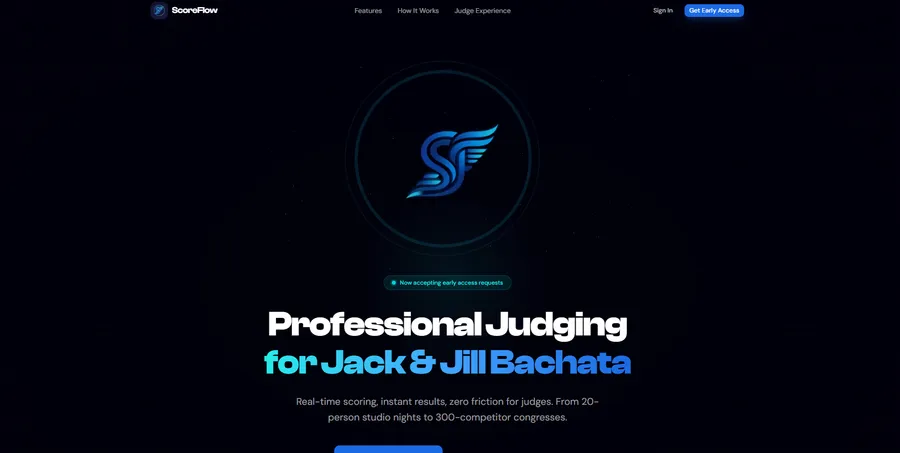
A real-time judging platform for dance competitions — live scoreboards, multi-round scoring and role-based access for organizers, judges and competitors.
- Next.js 16
- React 19
- FastAPI
- AWS CDK
- DynamoDB
- WebSocket
- Cognito

I build custom web apps for Denver businesses: customer portals, booking and payment systems, dashboards, internal tools and SaaS products, from the first version to production. You work directly with the engineer who designs, builds and runs it, in English or Spanish.
Orders, schedules or reports live in spreadsheets, paper and email threads. One app with all the data in one place saves hours every week and stops mistakes.
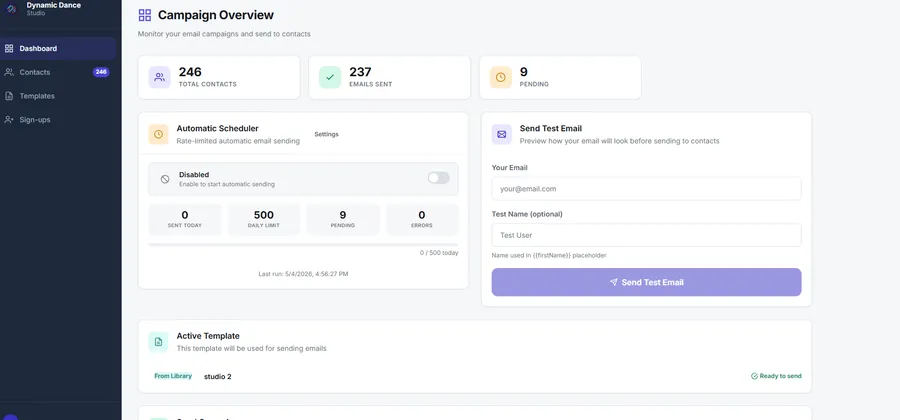
You pay per user, use a fraction of it and still work around what it can't do. Custom software follows your process. For a dance studio I replaced a paid email tool with a campaign app the studio owns.
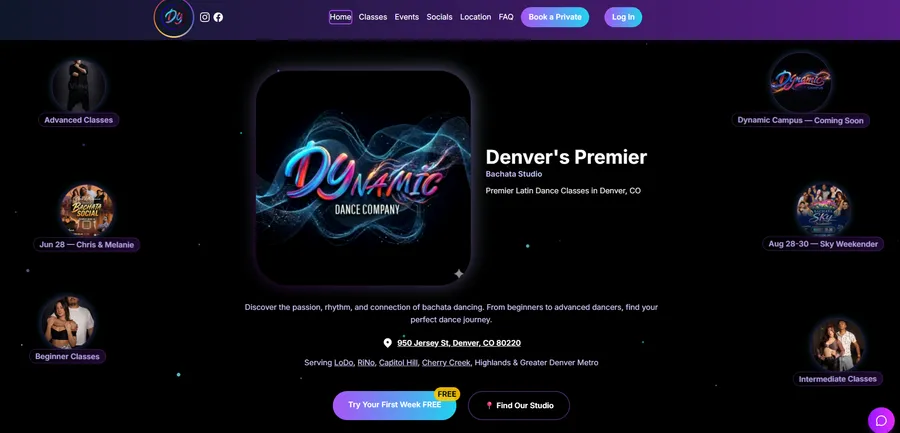
Online booking, payments, memberships and customer accounts that work the way your business does. The platform I built for a dance studio has processed $51K across 864 transactions.
Start with a focused first version that real users can try, then grow it. ScoreFlow, a real-time judging platform I built, ran a live competition with 21 competitors and 9 judges.
A written plan of the screens, data and user roles, so you know what you get and what it costs before work starts.
A fast app built with Next.js, React and TypeScript that works on phones, tablets and desktops, with no app store in the way.
APIs in Node.js or Python, a database designed around your data, and secure sign-in with roles for staff, customers or admins.
Stripe or Square checkout, subscriptions and webhooks, plus email, calendars and the tools you already use.
A separate QA copy to try every change before it reaches your users, with automatic deploys on every update.
Monitoring, fixes and new features from the same engineer who built it.
Not every problem needs a fully custom app. I recommend the simplest option that solves it and can grow with you.
Next.js, Node.js or Python on AWS or Google Cloud. Best for products, portals and anything with real-time features, payments or many users.
A working app in days when budget or time is tight, like the AppSheet inspection app I built that replaced paper across 100+ properties.
Sometimes the answer is connecting what you already pay for, with automations between your forms, CRM, payments and email.
You explain the process or the idea; I ask about the users, the data and what has to happen first. No cost and no commitment.
Screens, data, roles and phases on paper, with an estimate for the first phase.
You get a working version early in a test environment, not a slide deck, and try it with your team.
New features arrive in small steps you review, so the app stays close to what your team actually needs.
Go-live with monitoring, then fixes and new features as your business grows.
Larger products ship in phases, so you use working software early.
Platforms running in production with real users and payments.

A real-time judging platform for dance competitions — live scoreboards, multi-round scoring and role-based access for organizers, judges and competitors.


A full business platform for a dance studio — online payments, class bookings, automated email and an SEO-tuned site, backed by a 60+ endpoint serverless API.


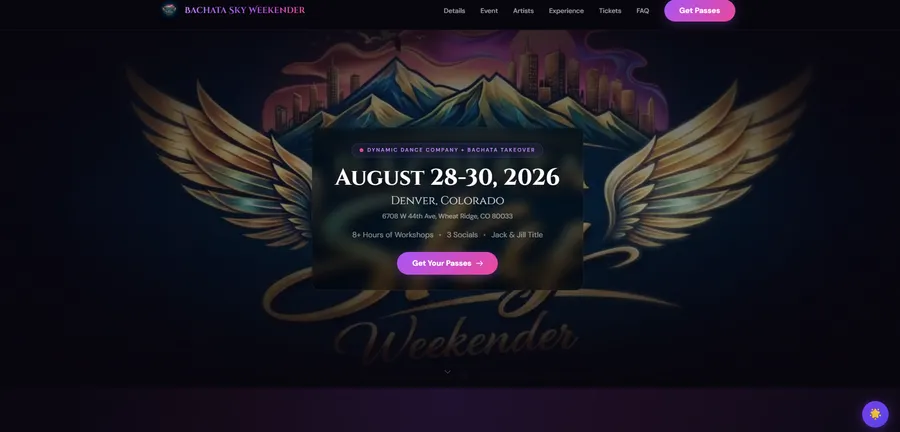
A premium, high-converting event site for a 3-day Denver bachata weekender — ticket tiers, Stripe checkout and a cinematic, animated experience.


A full email-marketing platform — manage contacts, generate campaigns with AI and automate bulk delivery — built for a studio on AWS.

It depends on the number of screens, user roles and integrations, and on how much has to work on day one. A focused internal tool is a smaller project; a SaaS product with payments and real-time features is larger and built in phases. After a free call you get a written scope and estimate before any work starts.
The first version is kept small on purpose so you can use it early. Bigger products ship in phases, so your team works with real software while the rest is built.
Yes. I build the smallest version that proves the idea with real users: sign-up, the core feature and payments if needed, on infrastructure that can grow. ScoreFlow, a judging platform I built, ran a live event with 135 scores cast in real time.
Yes. I start with a review of the code, the hosting and the data, and fix what is urgent before adding features. In one live system I fixed a payment bug that gave customers two packages for a single charge, and cleaned up the affected records.
Usually Next.js, React and TypeScript for the app, Node.js or Python (FastAPI) for the backend, AWS or Google Cloud for hosting, and Stripe or Square for payments. The choice follows your needs, your team and your budget.
Yes. Monitoring, fixes, security updates and new features, from the same engineer who built it, so you never have to explain your system to a stranger.

Send a few details and I'll get back to you — usually within a day.
hnavasystems@gmail.comBook a callOr chat with my AI agent above.